



Science-based explainers on how peptides work, dosing, storage, and choosing quality.

Retatrutide (LY3437943) is a triple-action research peptide developed by Eli Lilly. Unlike semaglutide (a GLP-1 agonist) and tirzepatide (a dual GLP-1/GIP agonist), retatrutide acts on three receptors at once: GLP-1, GIP, and the glucagon receptor (GCGR). It is this third component that makes it unique — glucagon directly stimulates the breakdown of fat stores and raises the body’s energy expenditure.
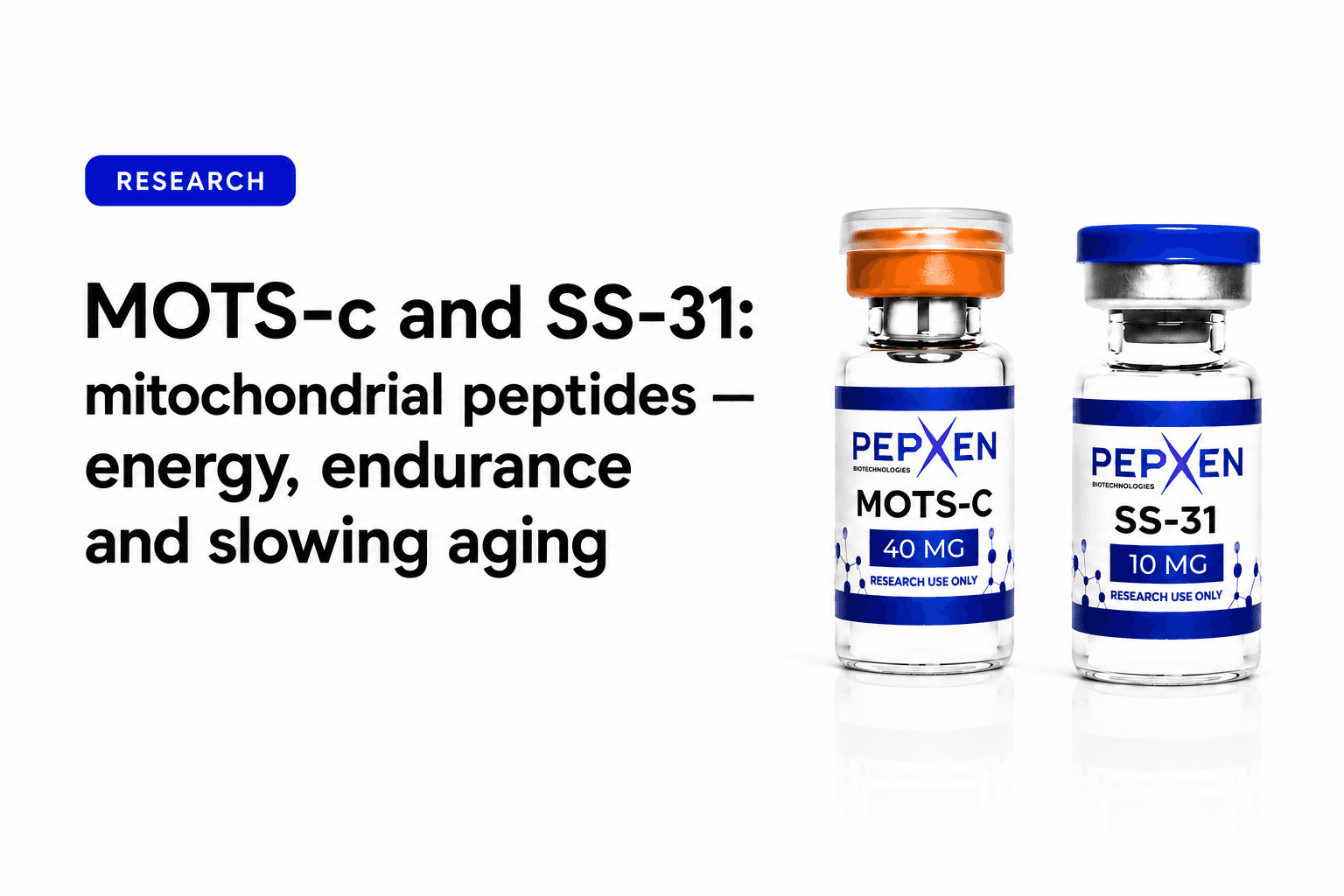
Mitochondria are the power plants of every cell. They produce ATP — the universal “currency” of energy in the body. With age, mitochondria lose efficiency: their DNA gets damaged, the electron transport chain malfunctions, and the production of free radicals increases. This process is called mitochondrial dysfunction, and it underlies most age-related diseases — from diabetes and neurodegeneration to sarcopenia and chronic fatigue.
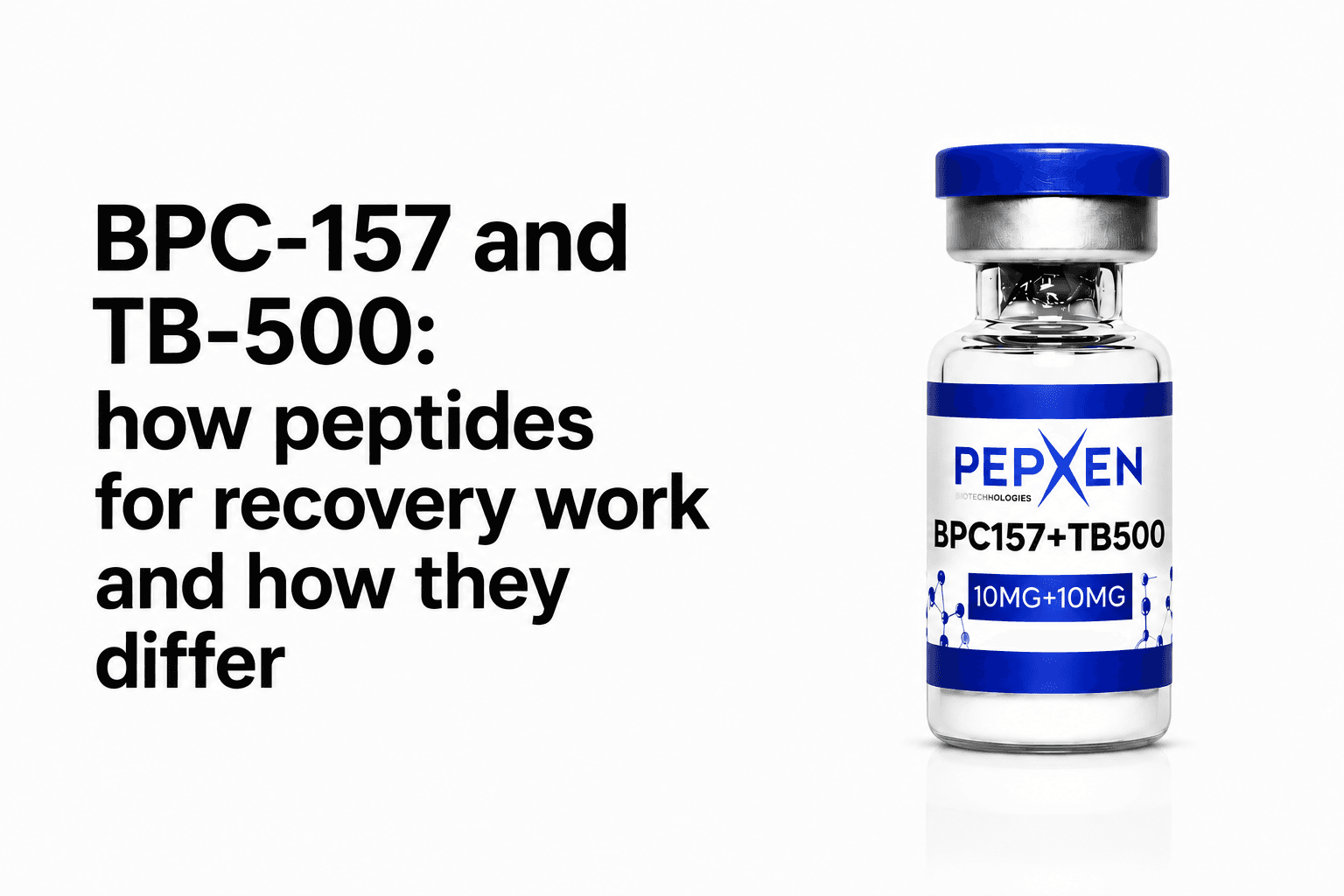
BPC-157 (Body Protection Compound-157) is a synthetic peptide of 15 amino acids, a stable version of a fragment of the BPC protein that occurs naturally in human gastric juice. It was discovered in the 1990s by Croatian scientists led by Professor Predrag Sikirić. Over three decades of research, an extensive body of data has accumulated demonstrating its regenerative properties.
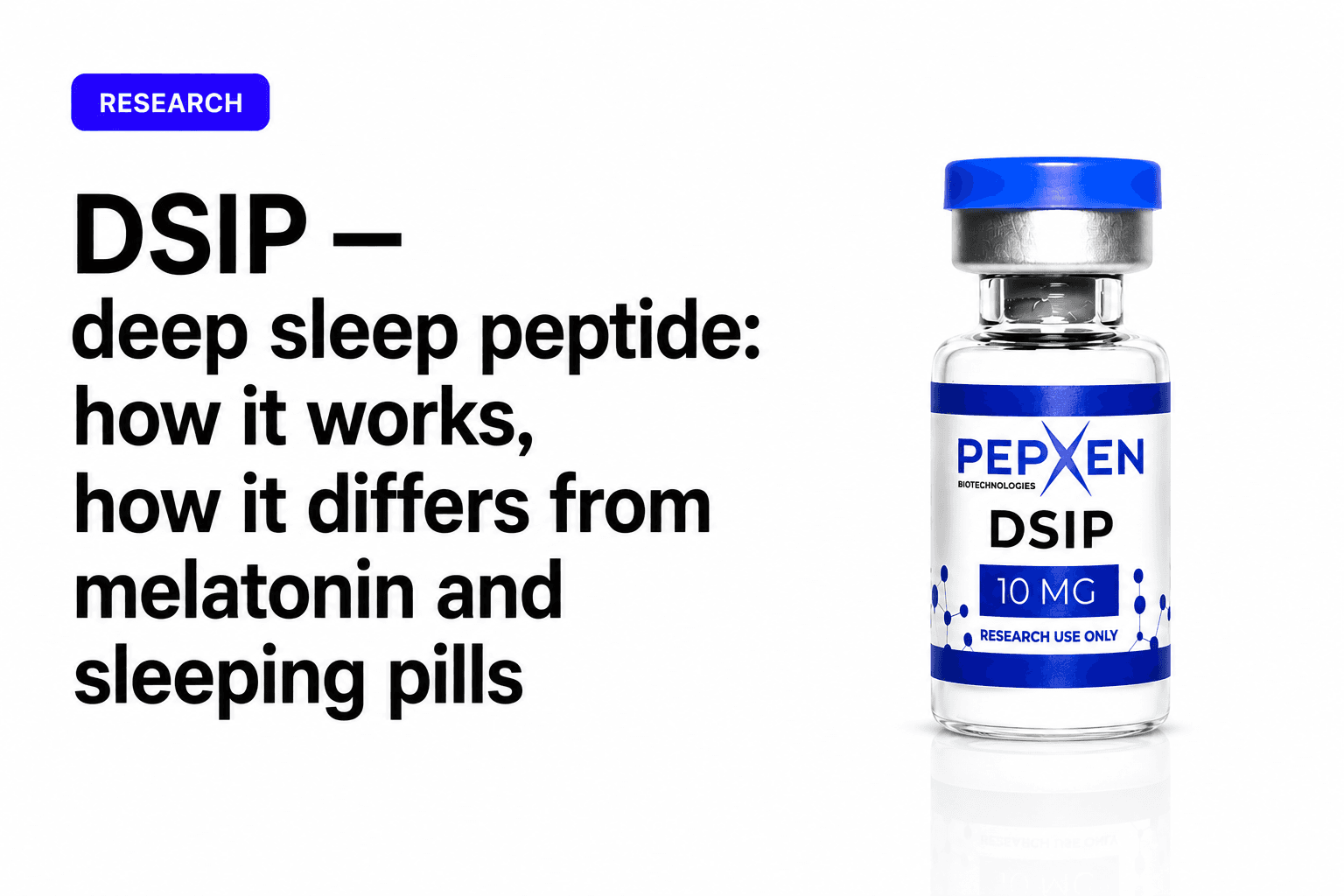
DSIP (Delta Sleep-Inducing Peptide) is a 9-amino-acid neuropeptide with the sequence Trp-Ala-Gly-Gly-Asp-Ala-Ser-Gly-Glu. It was discovered in 1977 by the Swiss scientists Schoenenberger and Monnier, who isolated it from the blood of rabbits in the deep-sleep phase. DSIP is naturally present in the human brain and takes part in regulating circadian rhythms.
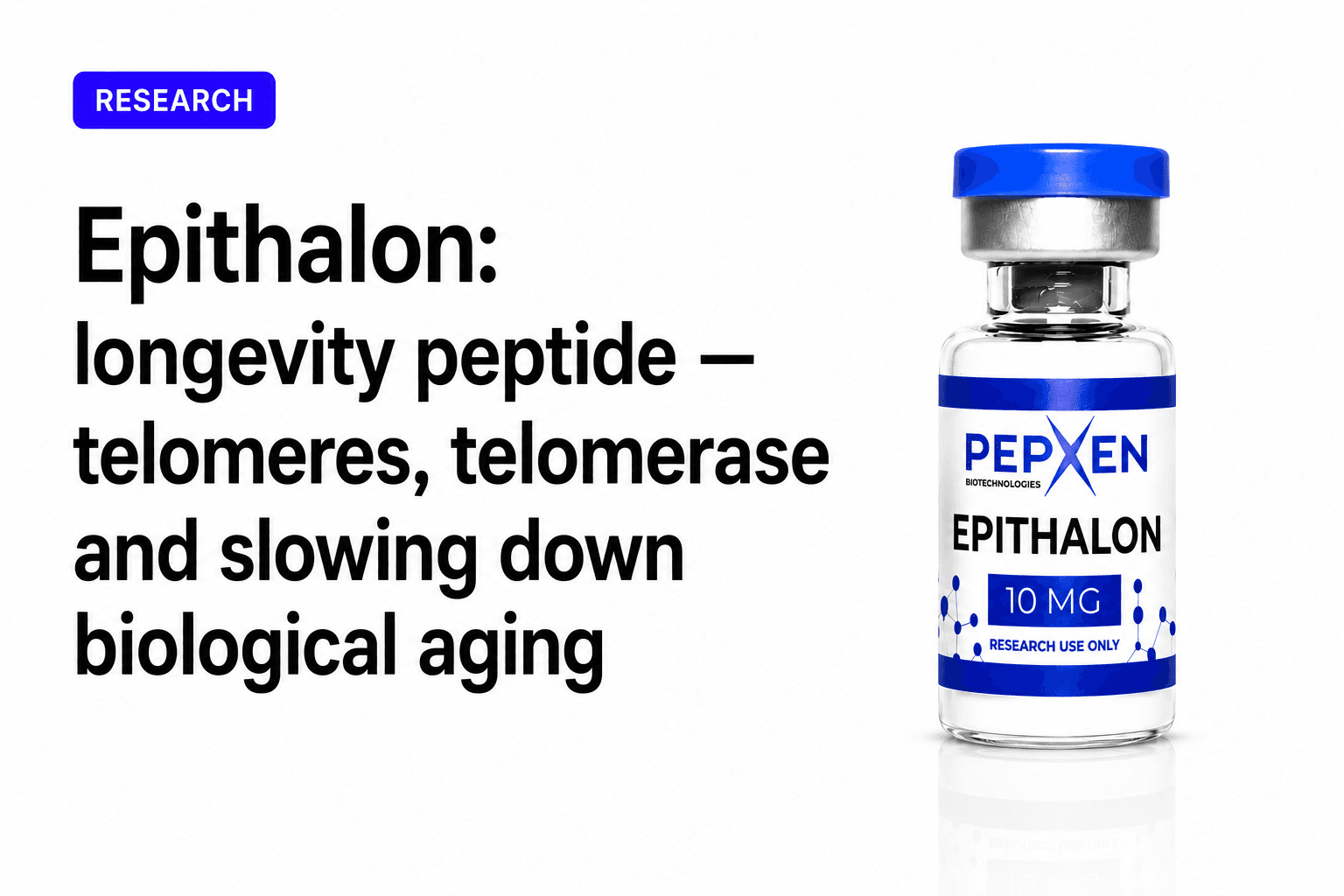
Epitalon (epithalamin, Epithalon, AEDG) is a synthetic tetrapeptide with the sequence Ala-Glu-Asp-Gly. It was created at the St. Petersburg Institute of Bioregulation and Gerontology under the direction of Professor Vladimir Khavinson — one of the world’s leading specialists in peptide bioregulation. Epitalon is a synthetic analog of epithalamin, a peptide naturally produced by the epiphysis (pineal gland).
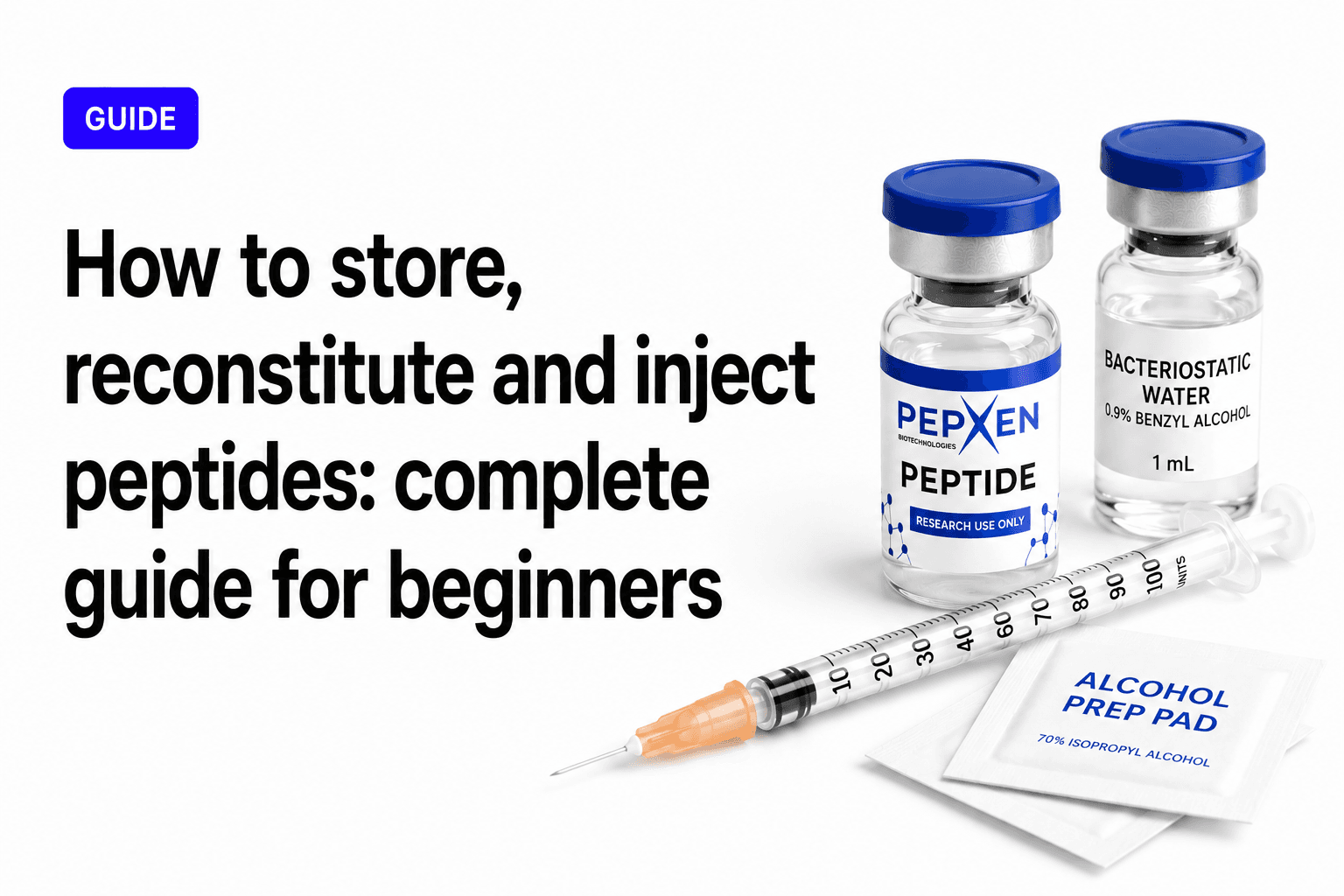
Peptides come as a lyophilized powder — a dry, stable form produced by freeze-drying (freezing and removing moisture under vacuum). The powder must be reconstituted with a special water before use. The process is simple, but it requires care and adherence to sterility rules.