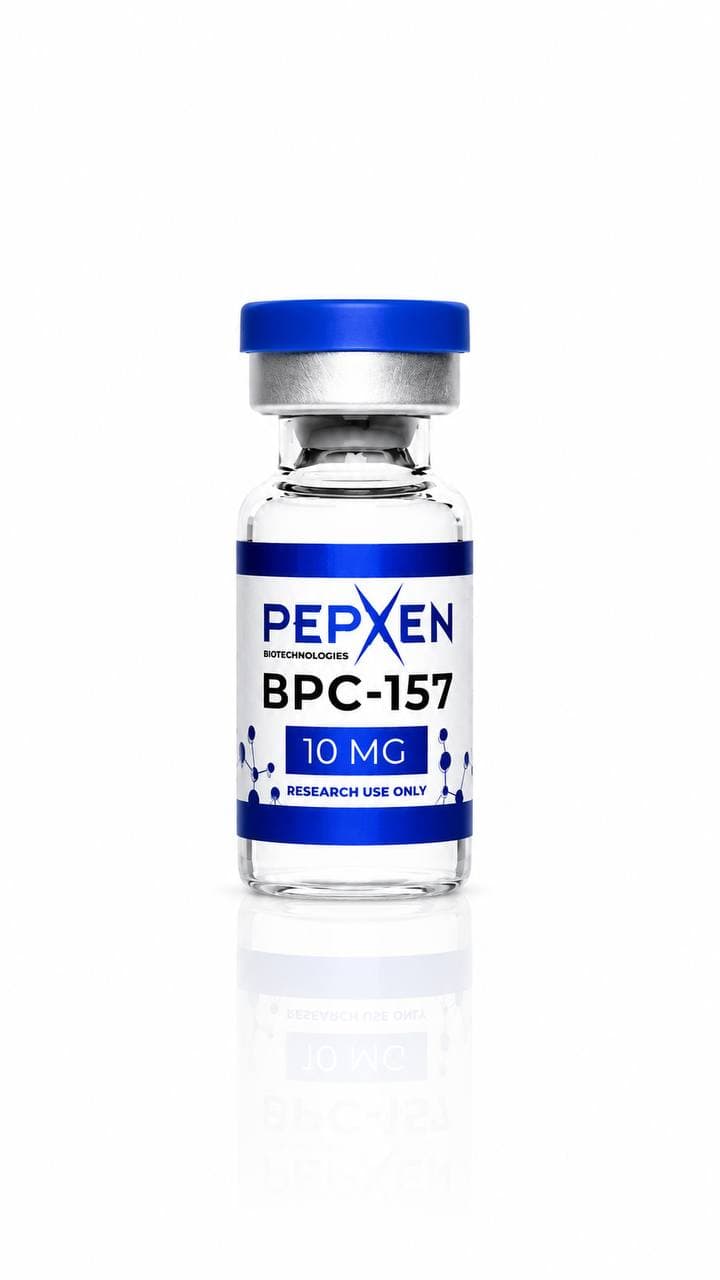
BPC-157 (Body Protection Compound-157) is a synthetic peptide of 15 amino acids, a stable version of a fragment of the BPC protein that occurs naturally in human gastric juice. It was discovered in the 1990s by Croatian scientists led by Professor Predrag Sikirić. Over three decades of research, an extensive body of data has accumulated demonstrating its regenerative properties.
The main areas of BPC-157 action:
The key mechanism: BPC-157 stimulates the expression of growth-factor genes (VEGF, EGF), which accelerates angiogenesis — the formation of new blood vessels at the site of injury. More vessels means more nutrients and oxygen, which means faster healing.
TB-500 (Thymosin Beta-4) is a synthetic fragment of the thymosin beta-4 protein, which is produced by the thymus gland. This peptide of 43 amino acids is present in almost all tissues of the body and plays a key role in the processes of regeneration.
The mechanism of action of TB-500:
Despite their similar areas of action, these peptides work through different molecular pathways:
This is exactly why the combination of BPC-157 + TB-500 is considered the “gold standard” of peptide recovery. Two different mechanisms of action complement each other: BPC-157 provides local healing and angiogenesis, while TB-500 provides systemic anti-inflammatory action and tissue remodeling.
BPC-157 (on its own) — optimal for local problems:
BPC-157 + TB-500 (combo) — for more serious and complex tasks:
Both peptides are supplied in lyophilized form (powder) and are reconstituted with bacteriostatic water. Storage is at 2–8°C. Once reconstituted, the solution is stable for 28–30 days when refrigerated.
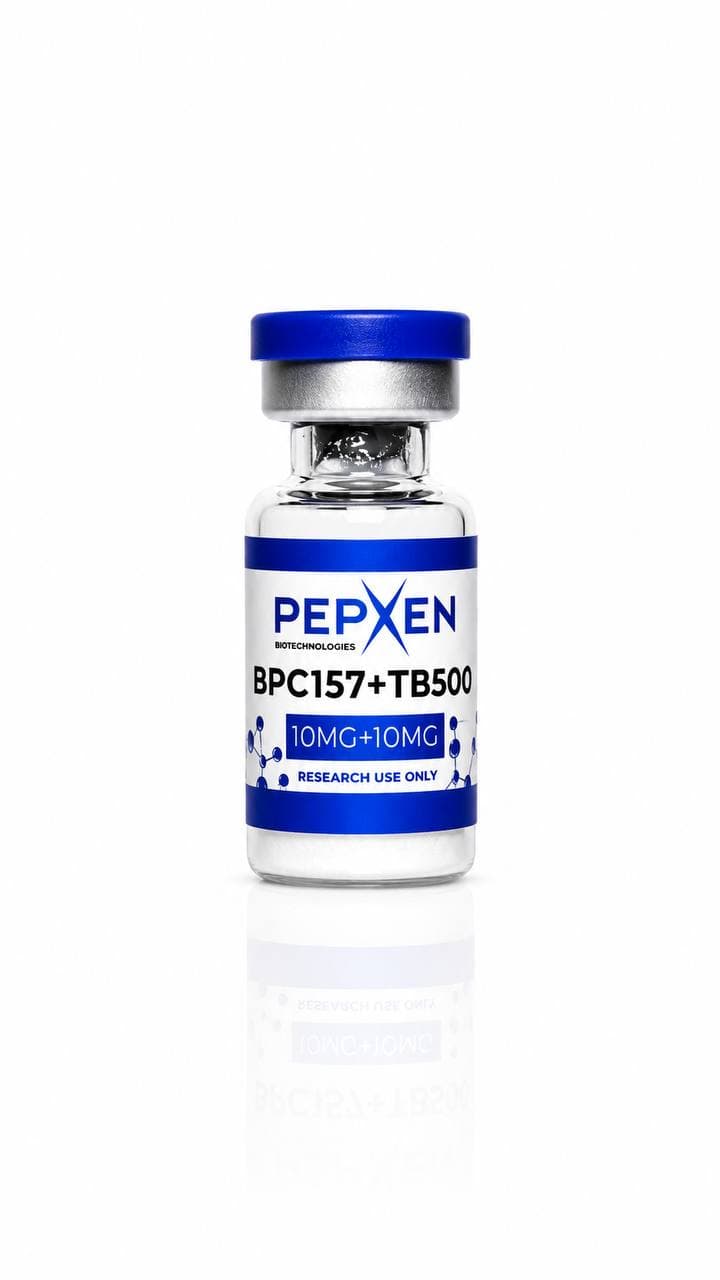
The advantage of the ready-made combination of BPC-157 + TB-500 in a single vial is convenience. There is no need to buy two separate products, calculate proportions, and make two injections. One injection delivers both peptides in an optimal ratio.
Two options are found on the market: BPC-157 in pure form and BPC-157 acetate. The pure form is less stable but biologically identical. The acetate form is more stable in storage. Both options are effective.
Always request a Certificate of Analysis (CoA) with mass-spectrometry and HPLC data. The purity should be at least 98%. Pay attention to shipping conditions — the peptide must be transported with a cold pack.